09 63 444 63
09 63 444 63
“How much does a 3PL cost?” is one of the first questions businesses ask, and the honest answer is that it depends on your business.
The cost of outsourcing your warehousing and fulfilment comes down to what you store, how quickly it moves, how many orders you send and where they go. Two businesses with the same number of pallets can have very different costs if one sends ten orders a week and the other sends a thousand.
The good news is that 3PL is a variable cost model: you only pay for what you use. This guide explains how 3PL pricing usually works in New Zealand, what drives your costs, and the questions to ask so you can compare quotes on a like-for-like basis.
Most 3PLs build their price from a handful of activities. Here’s what they are and what affects each one:
| Cost | How it’s usually charged | What affects it |
|---|---|---|
| Receiving | Per container, pallet or carton | Container size, palletised or loose (hand-unloaded) stock, number of product lines |
| Storage | Per pallet per week, or per bin or shelf location | How much space your stock takes up and how fast it sells |
| Pick and pack | Per order, plus per item or order line | Number of orders, items per order, carton or pallet picks |
| Packaging | Per carton, satchel or pallet wrap | Your packaging needs and order sizes |
| Value-added services | Per unit or per hour | Labelling, re-packing, kitting and quality checks |
| Transport | Per delivery, pallet or parcel | Distance, size and weight, delivery type |
These six factors have the biggest influence on what you’ll pay:
Bulky or heavy products take more space and handling than small items that fit in a shelf or bin.
Fast-moving stock spends less time in storage. Slow-moving or seasonal stock costs more to hold.
The number of orders and items per order drive pick and pack costs more than anything else.
Palletised stock is quicker to receive than loose cartons that need to be hand-unloaded from a container.
Food-grade storage, batch and expiry tracking, labelling or kitting add handling but protect your products.
Courier parcels, pallet deliveries and retailer DC deliveries are priced differently, and distance matters.
Use our Auckland warehouses instead of signing a long lease and fitting out your own space.
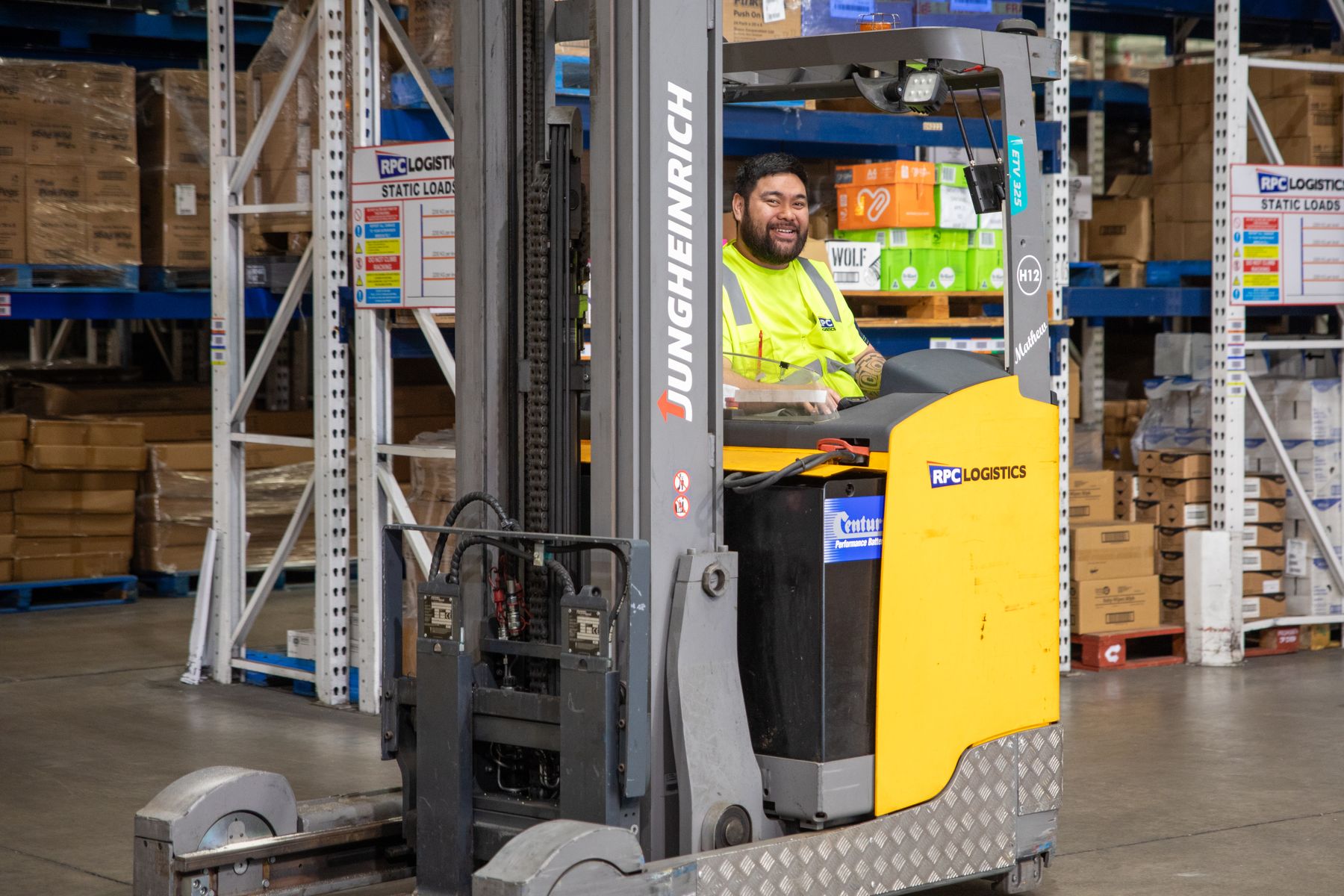
Forklifts, racking, systems and trained warehouse staff are all included in how we run your stock.
3PL is a variable cost model. You pay for the storage and handling you actually use, not a fixed lease, staff and equipment.
When you compare 3PLs, the cheapest rate isn’t always the lowest cost. The right partner saves you money in ways that don’t show up on a price list:

We price your warehousing around your actual products, stock levels and order patterns, not a generic rate card. That means you can see what your logistics will cost as your business grows, and you’re not paying for space or services you don’t need.
3PL quotes can look very different on paper. Ask these questions so you’re comparing like with like:

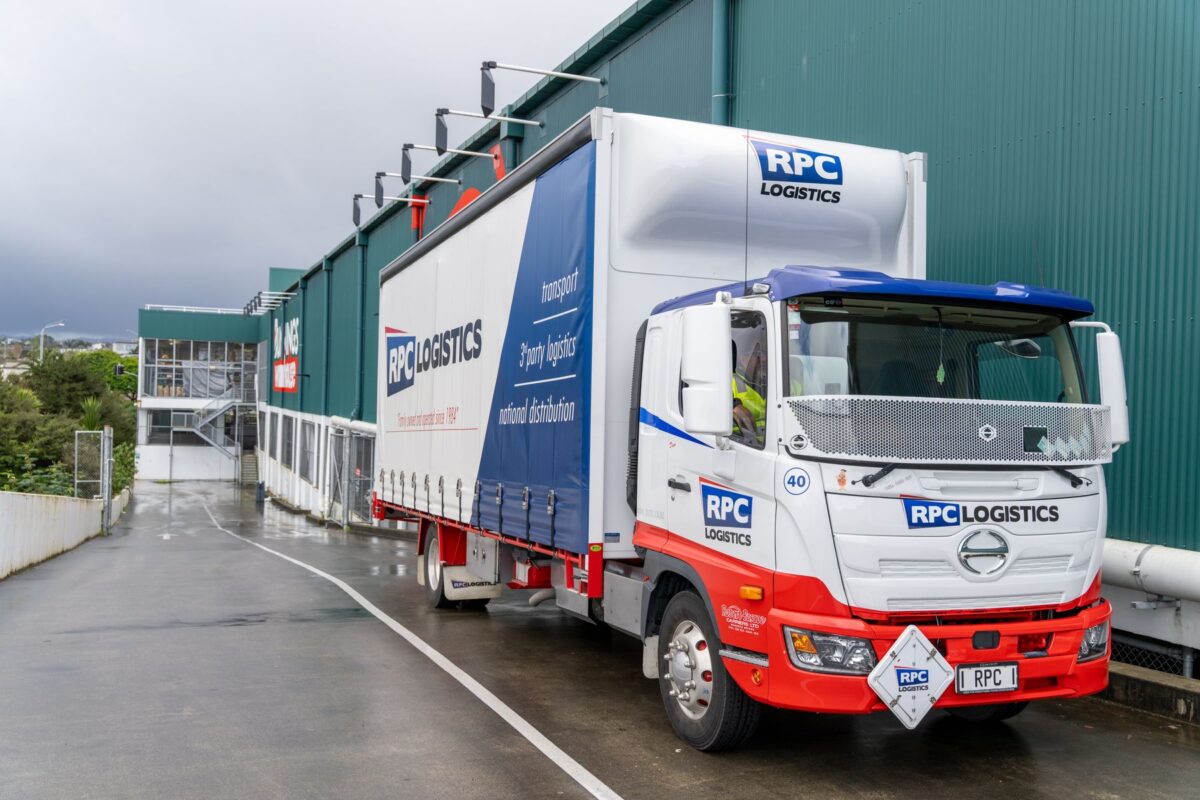
RPC runs its own warehouses and its own fleet of trucks in Auckland. Keeping storage, fulfilment and delivery with one team means fewer handovers, fewer separate invoices and one point of contact. And because we move high volumes across our network, we can often secure favourable transport pricing for our customers.
The more we know about your business, the more accurate your quote will be. Send us:
Not sure on some of the numbers? That’s fine. Give us your best estimate and we’ll work through the rest with you.
Can’t see your question? Call 09 63 444 63 or send us your details.
It depends on your products, how much stock you hold and how many orders you send. Most 3PLs charge for receiving, storage, pick and pack, packaging, value-added services and transport. The best way to compare is to get a quote based on your real volumes.
For many businesses, yes. A 3PL removes the cost of a warehouse lease, fit-out, forklifts, systems and staff. It is a variable cost model, so you only pay for what you use, and a 3PL moving high volumes can often get better transport rates. A good 3PL also makes fewer mistakes and frees up your time to focus on growing your business.
3PL is a variable cost. Instead of paying fixed costs for a warehouse, staff and equipment, you pay for the storage, handling and transport you actually use, so your costs rise and fall with your sales.
Storage is usually charged per pallet per week, or per bin or shelf location for smaller items. Fast-moving stock uses less storage over time, so stock turnover has a big effect on cost.
A pick and pack fee covers picking your products from storage and packing them for dispatch. It is usually charged per order, plus an amount per item or order line.
Send us your products and their sizes, how you receive stock, how many pallets you expect to store, how many orders you send each month, and where they go. We will put together a quote based on your business.
Yes. RPC runs its own warehouses and its own trucks in Auckland, so your storage, fulfilment and deliveries can all be handled by one team.